How Car Color Affects Resale Price

When purchasing a new car, many factors come into play, from
fuel efficiency to safety features. However, one often overlooked aspect that
can significantly impact a vehicle's long-term value is its color. The hue of
your car can affect its resale value more than you might think. This blog
explores the fascinating relationship between car colors and their impact on
resale value.
The Psychology of Car Colors
Color psychology plays a crucial role in how we perceive and
value cars. Different colors evoke various emotions and associations, which can
influence a buyer's decision-making process. For instance, red often symbolizes
excitement and passion, while blue is associated with trust and stability.
These psychological factors can subtly affect a car's desirability in the
resale market.
Popular Car Colors and Their Impact
White: The Evergreen Choice
White has consistently been one of the most popular car
colors globally. Its popularity stems from its clean, classic look that appeals
to a wide range of buyers. This lower depreciation rate translates to higher
resale values, making white a safe choice for those concerned about future
sales.
Black: Timeless Elegance
Black cars exude sophistication and luxury. They are
particularly popular in the premium and luxury car segments. However, black
vehicles can be challenging to maintain, as they show dirt and scratches more
easily.
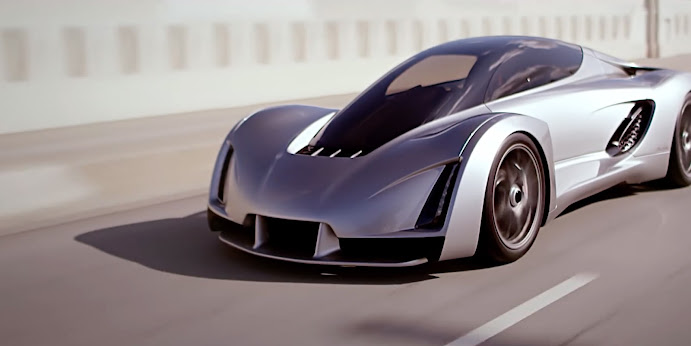
Silver and Gray: The Practical Options
Silver and gray cars are often seen as practical choices.
These colors are less likely to show dirt and minor scratches, making them
appealing to buyers who prioritize low maintenance. In terms of resale value,
silver and gray cars typically perform close to the average, neither
significantly boosting nor hindering a vehicle's value.
When it comes to disposing of your vehicle, services like
Car Removal can offer a convenient solution, ensuring that your silver or gray
car is removed and recycled efficiently, helping you make the most of your
vehicle's end-of-life value.
Get a Free Quote for Car Removal In Penrith
Red: The Bold Statement
Red cars are often associated with sports cars and
performance vehicles. While they can be attention-grabbing and exciting, their
resale value can be more volatile. The appeal of red cars can be highly
subjective, potentially limiting the pool of interested buyers during resale.
However, for certain car models, particularly sports cars, a red color can
actually enhance the resale value.
Blue: The Rising Star
Blue has been gaining popularity in recent years. Light and
medium blue shades tend to perform well in the resale market, often
depreciating less than average.
Factors Influencing Color's Impact on Resale Value
Vehicle Type and Segment
The impact of color on resale value can vary significantly
depending on the type of vehicle. For example, while a bright yellow might
negatively affect the resale value of a luxury sedan, it could be a desirable
color for a sports car or a compact hatchback. Services like Cash For Cars
Campbelltown take these factors into account when offering competitive
prices for your vehicle, ensuring you get the best deal regardless of its
color.
Regional Preferences
Color preferences can vary by region. For instance, in warmer
climates, lighter colors like white and silver are often more popular due to
their heat-reflective properties. Understanding regional preferences can help
in choosing a color that will maintain its value in your specific market.
Current Trends and Fashion
Color trends in the automotive industry can shift over time.
However, classic colors like white, black, and silver tend to remain
consistently popular, making them safer choices for resale value.
Rarity and Uniqueness
While unusual colors might limit the pool of potential
buyers, they can sometimes command a premium in the right circumstances. For
collectors or enthusiasts, a rare color might actually increase a car's value.
The Numbers Behind Color and Resale Value
Here are some key findings:
·
Yellow cars depreciated the least, losing only
20.4% of their value over three years.
·
Orange and green cars also performed well,
depreciating 22.2% and 24.5% respectively.
·
Gold cars depreciated the most, losing 33.5% of
their value over three years.
·
Popular colors like white, black, and silver
depreciated close to the average of 29.8%.
·
These statistics highlight that while popular
colors maintain steady value, some less common colors can actually outperform
in terms of depreciation.
Making the Right Color Choice
·
When choosing a car color with resale value in
mind, consider the following:
·
Think Long-Term: Consider how the color might be
perceived in 3-5 years when you might want to sell.
·
Know Your Market: Research color preferences in
your area or the area where you plan to sell.
·
Match Color to Car Type: Choose a color that
complements the vehicle's style and purpose.
·
Balance Personal Preference with Resale
Potential: While resale value is important, you should also enjoy your car
while you own it.
·
Consider Maintenance: Remember that some colors
(like black) may require more upkeep to maintain their appearance.
Also read https://totalcarremoval.com.au/cash-for-cars-bondi/
The Role of Color in Overall Car Value
While color is an important factor in a car's resale value,
it's crucial to remember that it's just one piece of the puzzle. Other factors
like the car's condition, mileage, make and model, and overall market demand
play significant roles in determining resale value.

Comments
Post a Comment